


How to decide if a space-efficient home gym is right for you
Share
A decision-led, engineering-first guide for people considering serious strength training at home.
Start here: the decision you are actually making
If you are reading this guide, you are not simply deciding whether to buy a piece of gym equipment. You are deciding whether strength training deserves a permanent place in your home, whether that space can safely support it, and whether you want a short-term solution or something designed to last for decades. You are also deciding how much you value safety, engineering, and design once the novelty of a new purchase has worn off.
This guide is written to help you make those decisions in the right order, before thinking about packages, accessories, or price.
Is a space-efficient home gym the right category for you?
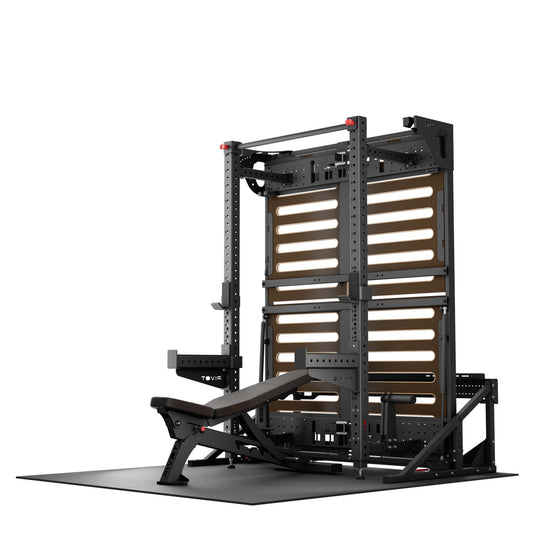
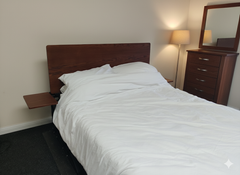
A space-efficient home gym exists for people who want to train properly but do not have a dedicated gym room. It is most suitable if your training space must also function as a bedroom or multi-use room, and if you care about safety when lifting alone. It also assumes you value a clean, architectural environment rather than visual clutter.
If, on the other hand, you are primarily looking for the cheapest possible option, something temporary, or equipment for occasional light exercise, this category may not be the right fit. Being clear about this early prevents disappointment later.
What type of training do you actually do?
Not all home fitness equipment is designed for the same purpose, and this distinction matters more than most people realise.
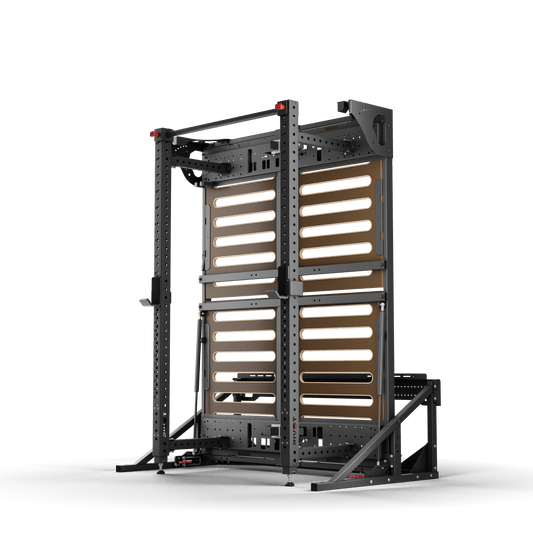
If your training involves barbell movements such as squats, bench presses, deadlifts, overhead presses, or weighted pull-ups, the system you choose must be structurally rigid, conservatively rated, and designed with proper safety systems. Many space-saving products are not.
If your training is primarily cable-based, controlled, or rehabilitation-focused, your requirements are different and typically involve lower loads. Understanding which of these best reflects how you train is essential before comparing solutions.
Can your room realistically support a system like this?
Before considering any brand, you need to understand the physical constraints of your room.
In terms of floor area, a room measuring approximately three by three metres (ten by ten feet) can accommodate any size of PIVOT comfortably. Smaller rooms may still work, but bed length and layout become more important, and this is where individual advice is valuable.
Ceiling height is often the true limiting factor. With a ceiling height of around 2150 mm (85 inches), all configurations are supported. With a ceiling height closer to 2050 mm, shorter bed options are available and commonly used.
Floor strength is a common concern, but it is rarely an issue. Even the most fully specified PIVOT systems weigh roughly the equivalent of four average adults. Residential floors are designed to handle significantly higher loads than this.
How much risk are you willing to accept?
This is where many buying decisions quietly go wrong.
Some brands quote the weight at which a component will fail, rather than a safe working load. These numbers may look impressive, but they leave little margin for error. At home, where you are often training alone, safety margins matter more, not less.
PIVOT quotes rated loads that already include a 2.5-times safety factor. When we state a maximum weight, it reflects what the equipment can handle comfortably and repeatedly, not the point at which it breaks.
Are you buying for years or for decades?
Some fitness equipment is designed to be replaced. PIVOT is designed to be lived with.
We manufacture at relatively small scale, inspect every component, and design for long-term support. Our 25-year warranty reflects this philosophy. If you see this as a decades-long investment rather than a short-term purchase, your evaluation criteria should change accordingly.
Does this system belong in a bedroom?
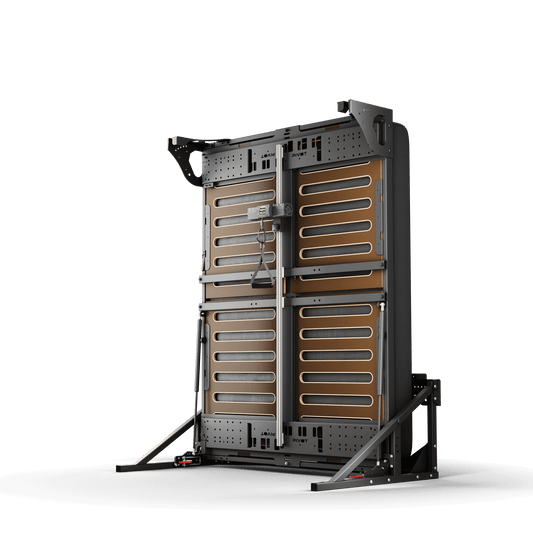
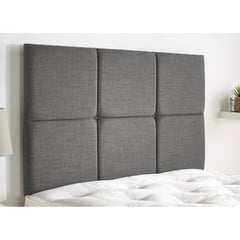
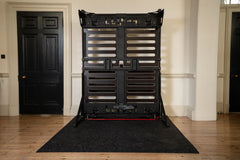
A bedroom is not a garage or a commercial gym. Anything that lives there must store cleanly, avoid visual clutter, and integrate naturally with furniture. It must feel appropriate when you are not training, not like equipment waiting to be used.
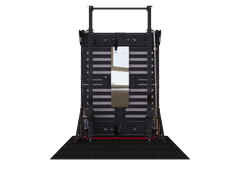
PIVOT is designed as furniture first and a gym second, without compromising performance. This balance is intentional and fundamental to the product.
Choosing the right PIVOT configuration
Once the decisions above are clear, choosing a configuration becomes straightforward.
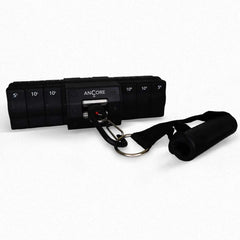
If your training centres on barbell-based strength work, the Strength or Full Monty packages provide the appropriate foundation. If your training is exclusively cable-based, the Anti-Gravity package may be sufficient. Many customers choose a hybrid approach and expand their setup during our standard twelve-week lead time, which allows flexibility without rushing decisions.
Storage and the reality of daily use
One of the main reasons home gyms go unused is clutter. If the floor is covered in equipment, motivation disappears quickly.
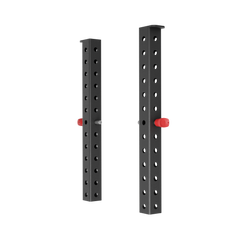
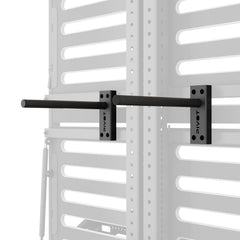
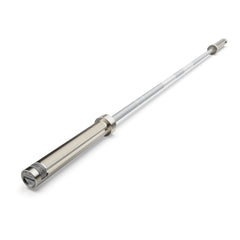
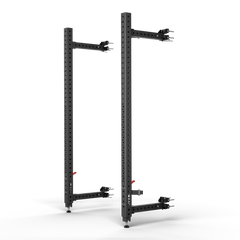
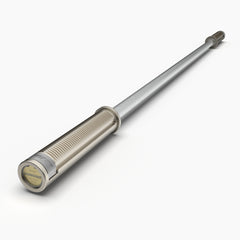
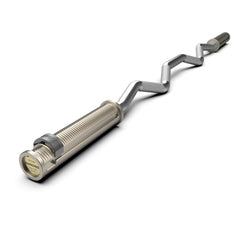
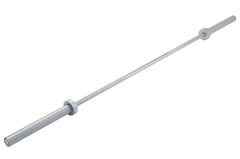
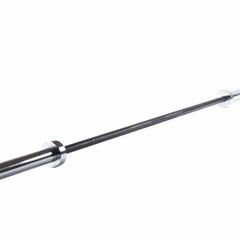
PIVOT integrates storage into the system itself, allowing barbells up to 2010 mm to be stored on the bed frame and weight plates to be stored on rack-mounted units. The result is a clear floor and a room that remains usable and inviting.
Flooring: an overlooked but important choice
Cheap rubber flooring often off-gasses volatile organic compounds, creating strong odours that can spread throughout a home. For this reason, we exclusively use Paviflex latex rubber for full installations.
If full-room flooring is unnecessary, our multi-layer exercise mat provides protection and stability in the training area without compromising indoor air quality.
The question of the bench
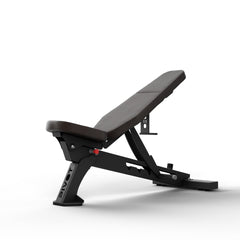
Any bench can be used with PIVOT, but ours is the only one guaranteed to store beneath the bed when not in use. This matters more than many people expect, as benches are heavy and awkward to store in a bedroom.
Cheaper folding benches are often designed for light use and quote unsafe maximums. Our bench has been tested to safely support over 500 kg (1,100 lbs).
Safety at home is not optional
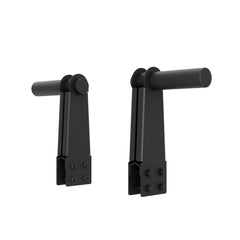
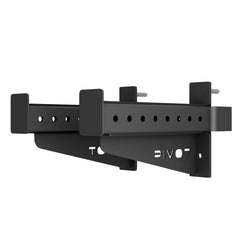
When lifting heavy weights alone, safety systems are essential. Safety spotter arms are strongly recommended and included with the Full Monty package.
All PIVOT components are tested beyond British Standards using computer-controlled rigs. Simply put, you will not be able to lift more than our equipment can safely handle.
Pricing and what it represents
PIVOT is not a budget brand, and it is not intended to be. The price reflects engineering depth, conservative safety margins, small-scale manufacturing, and long-term support. This is a deliberate choice.
Reviews and trust
PIVOT maintains near-perfect independent reviews. We cannot remove negative reviews or suppress criticism, and you will not find evidence of dissatisfied customers discussing PIVOT on independent platforms. Transparency matters.
Final thoughts
Choosing a space-efficient home gym is not about shortcuts. It is about finding a solution that respects your space, your safety, and your long-term commitment to training.
If you are unsure whether PIVOT is right for you, we encourage you to speak with us directly. A conversation now is far better than regret later.