


How much does a home gym really cost, and how PIVOT compares to a gym membership
Share
When people first discover PIVOT, a familiar question usually follows:
How much does a home gym cost, and how much does it cost compared to a gym membership?
It’s a fair question. Whether you’re thinking about starting a home gym, upgrading your current gym setup, or questioning the value of paying for a gym membership every month, cost is always part of the decision.
What makes PIVOT different is that it doesn’t fit neatly into the usual ways people think about a home gym, gym equipment, or even the cost of setting up a workout space at home.
Understanding the price of PIVOT means stepping back and looking at what a home gym really costs, what’s usually involved when you build a home gym properly, and what most people overlook when comparing it to paying for a gym membership long term.
Cost of your home gym and what people usually expect to pay
When researching the cost of your home gym, many people start with individual items.
They look at equipment like:
- A squat rack or power rack
- A bench and free weights
- Dumbbells and plates for strength training
- Cardio equipment such as a bike, treadmill, or rowing machine
At first glance, the numbers can look manageable. Depending on the type of equipment you choose, a basic setup can cost anywhere from a few hundred dollars for a basic setup to several thousand for higher-quality equipment.
But the cost of a home gym can vary widely. The final cost depends on the quality of equipment, the amount of weight you need, whether you include cardio, and how permanent the setup is intended to be.
An average home gym often grows over time. What starts as a simple workout space gradually expands as fitness goals change and more equipment is added.
Essential equipment, initial cost, and the cost of setting things up properly
When people set up a home gym, they often underestimate the initial cost.
Beyond the essential equipment itself, there are other factors that affect how much a home gym costs:
- Flooring and protection for the room
- Storage for weights and accessories
- The layout of the workout space
- Safety clearances around a squat rack
The cost of setting up a home gym isn’t just about the equipment you purchase. It’s also about how the space is used and whether it remains flexible over time.
Many home gym setups work well initially, but as workouts become more serious and equipment choices expand, compromises begin to appear.
Gym membership costs, monthly cost, and what you pay in the long run
A gym membership often feels simpler at first.
You pay a monthly membership fee — perhaps £100, £150, or even £200 per month — and gain access to equipment, space, and variety. Over time, however, gym membership costs add up.
Paying for a gym membership over many years often exceeds the cost of a high-quality home gym, especially when travel time, convenience, and consistency are factored in.
For many people, the real comparison isn’t just home gym cost vs gym membership cost in a single year, but the long run compared to paying month after month.
The perfect home gym and why space matters more than equipment
For most homeowners, the biggest limitation isn’t the equipment — it’s space.
To build the perfect home gym, people often sacrifice a spare bedroom, office, or guest room. Once converted, that room can no longer adapt easily as life changes.
Other homeowners choose to extend the house or build a garden gym. The costs of building a home extension or outbuilding can quickly exceed the cost of the gym equipment itself, often reaching tens of thousands.
Against this backdrop, the cost of a home gym is rarely just about weights, cardio machines, or workout accessories. It’s about how much a home gym costs in space.
How PIVOT changes the cost compared to traditional gym workouts
PIVOT approaches the idea of a home gym differently.
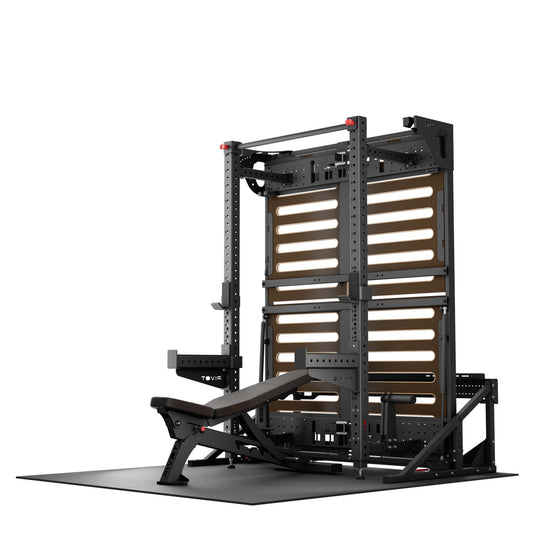
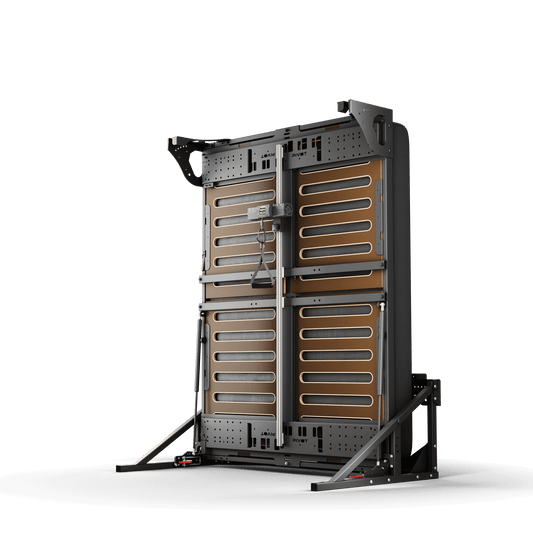
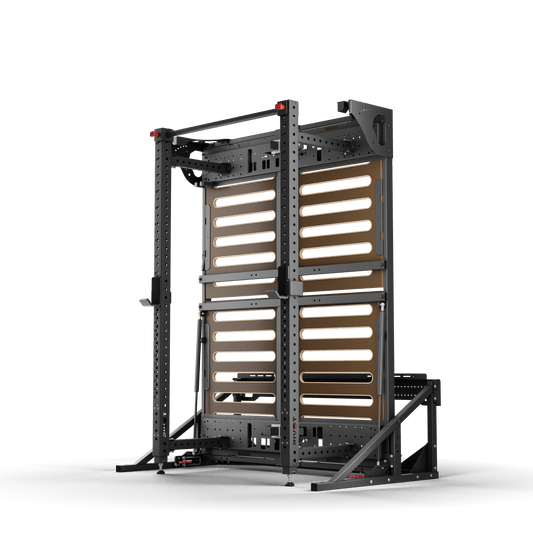
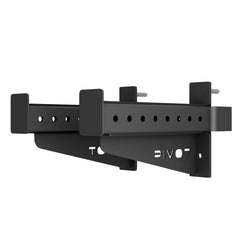
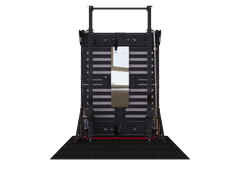
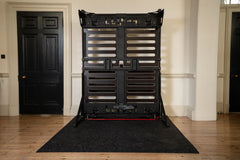
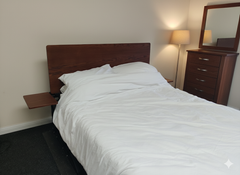
Rather than dedicating a room permanently to gym workouts, PIVOT is a patented, engineered system that allows one room to function as both a bedroom and a commercial-grade gym.
It integrates the strength and stability of a squat rack with architectural design, allowing serious home workouts without losing valuable living space.
This fundamentally changes how you calculate the cost of your gym. Instead of weighing equipment choices against lost rooms or building costs, PIVOT offers a way to keep your home flexible while still building strength at home.
Equipment choices, quality of equipment, and why cost may vary
Not all home gym equipment is created equal.
The type of equipment you choose has a direct impact on:
- Safety
- Longevity
- Performance
- Overall cost
Lower-cost equipment can work for short-term use, but wear and tear becomes an issue over time. Higher-quality equipment costs more initially, but often saves money in the long run by avoiding replacements and upgrades.
PIVOT is engineered to commercial standards from the outset. It isn’t designed to hit a low price point or compete with discounted gym equipment. It’s designed to perform reliably for decades.
How PIVOT can save you money over time
While the upfront cost of PIVOT is higher than a basic home gym setup, it removes several long-term costs:
- Ongoing gym membership fees
- Travel time to a local gym
- The need for home extensions or additional rooms
When you compare the overall cost, PIVOT often makes sense financially over the long run compared to paying for a gym membership year after year.
More importantly, it removes the friction that stops many people from training consistently.
How much does it cost to start a home gym with PIVOT?
So, how much does it cost?
The honest answer is that the cost of a home gym depends on what you’re comparing it to.
A basic home gym can cost relatively little. A well-planned home gym with quality equipment, space efficiency, and long-term durability costs more.
PIVOT sits at the premium end of that spectrum. It reflects:
- Engineering
- Materials
- Longevity
- Space optimisation
It isn’t designed to be the cheapest way to start a home gym. It’s designed to be one of the most considered.
Transparent pricing and what you can expect to pay
PIVOT pricing is fully transparent and all-inclusive.
It covers international air freight, duties, taxes, and tariffs. There are no hidden fees and no ongoing monthly costs.
What you see is the final cost, allowing you to make a clear comparison against gym membership costs, building work, or traditional home gym setups.
Framing the home gym cost correctly
The most helpful way to think about PIVOT is not as an expensive piece of gym equipment.
It is a permanent home gym solution that replaces multiple compromises: lost rooms, extensions, and years of gym membership payments.
When framed this way, the home gym cost of PIVOT reflects not excess, but engineering discipline, long-term value, and confidence built on reality.
If you’re asking “how much does a home gym cost?”, the better question may be “what does it cost me in the long run — and what compromises am I willing to accept?”
PIVOT was designed so you don’t have to make them.